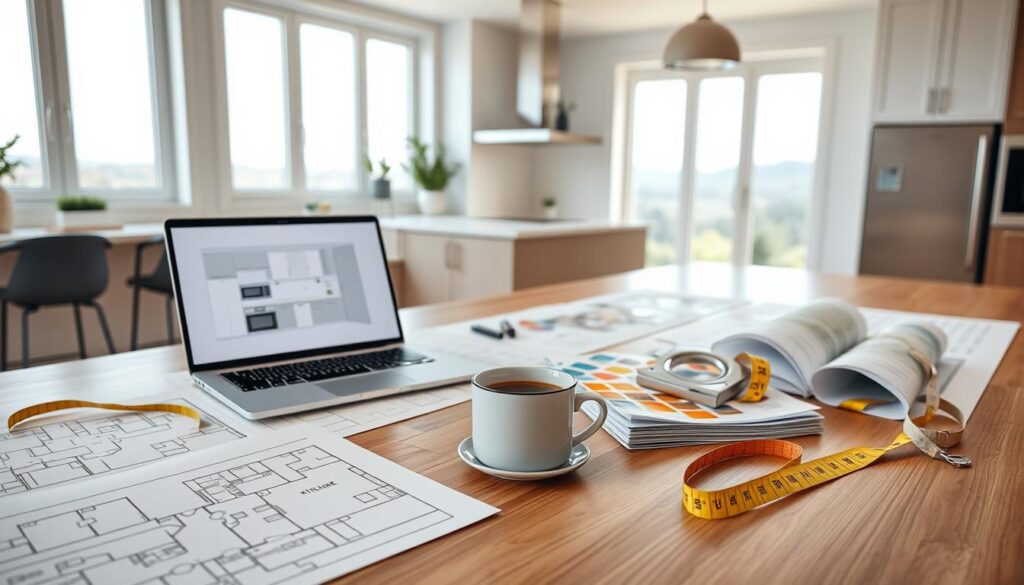
Planning a kitchen upgrade can be one of the most exciting and impactful home improvement projects you undertake. Whether you want to enhance functionality, improve aesthetics, or increase property value, thoughtful kitchen upgrade planning makes all the difference. This comprehensive guide will walk you through each critical step of the process—providing expert advice, practical checklists, and actionable strategies you can use to transform your kitchen with confidence.
Why Kitchen Upgrade Planning Matters
Before diving into cabinets, appliances, or flooring, it’s essential to understand why planning is crucial for kitchen upgrades. Unlike simple room refreshes, kitchen renovations involve plumbing, electrical systems, structural elements, and workflow design. Without a solid plan:
- Costs may escalate unexpectedly.
- Design choices may clash.
- Project timelines can extend indefinitely.
- Resulting space may fail to meet your everyday needs.
Successful kitchen upgrade planning results in a cohesive, functional, and beautiful space that supports cooking, entertaining, and daily living.
Step 1: Define Your Goals
Start by identifying the goals that will guide every decision.
Functional Goals
Ask yourself:
- Do I need more storage?
- Do I want better kitchen layout flow?
- Are current appliances outdated or inefficient?
Prioritizing these questions helps you establish functional goals such as:
- Increasing countertop workspace
- Adding a kitchen island
- Updating to energy‑efficient appliances
Aesthetic Goals
Ask questions like:
- What style do I want—modern, traditional, or transitional?
- Do I prefer a light or dark color palette?
- Should materials feel luxurious or budget‑friendly?
This phase helps clarify preferences that refine design decisions.
Step 2: Set Your Budget
Budget planning is one of the most important aspects of a successful kitchen upgrade.
Total Budget vs. Line‑Item Budget
Your total budget defines the overall amount you are willing to invest. A line‑item budget breaks this amount into categories such as:
- Cabinets and hardware
- Countertops
- Flooring and backsplash
- Appliances
- Lighting fixtures
- Labor costs and permits
To prevent overspending, allocate contingency funds of at least 10%–15% of your total budget to cover unexpected expenses.
ROI Considerations
If your goal is to increase home value, research the return on investment (ROI) potential of each upgrade item. For example:
- Replacing outdated appliances with energy‑efficient models
- Installing high‑quality cabinetry
- Choosing timeless materials like quartz or hardwood flooring
These elements appeal to homebuyers and can boost the resale value of your property.
Step 3: Evaluate Your Current Kitchen
Perform a detailed assessment of your existing space before planning upgrades. This includes:
Layout Evaluation
Evaluate how your kitchen functions in terms of the work triangle—the relationship between the:
- Refrigerator
- Stove or cooktop
- Sink
An efficient triangle improves movement flow and minimizes unnecessary steps while cooking.
Structural Considerations
Check for:
- Load‑bearing walls
- Plumbing and electrical risers
- Floor leveling issues
- Natural light sources and window placement
Identifying structural limitations early helps prevent costly redesigns later.
Step 4: Design Smart Floor Plans
A great kitchen design merges form with function.
Open vs. Closed Layout
Decide whether you want an open concept that flows into adjacent living spaces or a more closed layout for privacy and distinct separation.
Work Zones
Modern kitchen planning incorporates dedicated zones for:
- Cooking
- Prep and cleanup
- Refrigeration and storage
- Beverage station
Organizing your space into work zones increases efficiency and reduces clutter.
Kitchen Island Planning
If space allows, a kitchen island can be a game changer. When planning an island, consider:
- Clearances for foot traffic
- Seating areas
- Additional storage and appliance placement
Step 5: Select Materials and Finishes
Choosing the right materials significantly impacts durability, aesthetics, and long‑term satisfaction.
Countertops
Popular countertop materials include:
- Quartz: durable and low‑maintenance
- Granite: natural stone with unique veining
- Butcher block: warm and inviting
Each option offers a different balance of style, cost, and upkeep requirements.
Cabinets
Cabinetry styles range from classic shaker designs to sleek slab fronts. Key considerations include:
- Material quality
- Paint or stain color
- Hardware finish
Soft‑close drawers and adjustable shelving enhance usability.
Flooring
Your floor must withstand heavy traffic and spills. Common choices are:
- Tile
- Hardwood
- Luxury vinyl plank
Choose materials that complement your overall design and hold up well to kitchen use.
Step 6: Choose Appliances
Appliances are central to kitchen function and design.
Energy Efficiency
Modern appliances often carry Energy Star ratings, indicating reduced energy consumption and long‑term cost savings.
Size and Fit
Make sure appliance dimensions fit designated spaces and align with the surrounding design. For example:
- A built‑in refrigerator may integrate seamlessly with cabinets.
- A professional‑style range could become the visual focal point of your kitchen.
Smart Technology
Consider upgrading to smart appliances that offer:
- Remote control via smartphone
- Automated pre‑heat and self‑diagnosis features
- Integration with home smart systems
These innovations improve convenience and elevate the overall kitchen experience.
Step 7: Optimize Lighting and Electrical
A well‑lit kitchen enhances both task performance and ambiance.
Layered Lighting
Plan for:
- Ambient lighting (overhead fixtures)
- Task lighting (under‑cabinet strips)
- Accent lighting (pendants and feature fixtures)
Strategic lighting minimizes shadows in prep spaces and highlights design elements like backsplashes or islands.
Electrical Outlets
Ensure sufficient outlets in key areas such as:
- Countertops near work zones
- Kitchen island (with USB and standard plugs)
- Appliance circuits
Planning electrical work early avoids the need for disruptive retrofits later.
Step 8: Hire Professionals
Even if you enjoy DIY projects, most kitchen upgrades benefit from professional involvement.
General Contractor
A qualified general contractor will manage the timeline, coordinate subcontractors, and ensure compliance with local codes and permits.
Design Professionals
Interior designers or kitchen planners bring:
- Space‑planning expertise
- Access to design resources
- Material recommendations based on current trends
Their input helps you avoid costly design mistakes.
Skilled Trades
Depending on your upgrade scope, hire:
- Licensed electricians
- Certified plumbers
- Experienced cabinet installers
Professional craftsmanship ensures safety and longevity.
Step 9: Timeline and Project Management
Effective planning includes a realistic timeline.
Typical Phases
A kitchen upgrade may include:
- Demolition
- Structural changes
- Plumbing and electrical rough‑in
- Cabinet installation
- Countertop and flooring placement
- Appliance installation
- Final trim and touch‑ups
Delays can occur, so build flexibility into your schedule and set clear expectations with contractors.
Step 10: Final Inspection and Enjoyment
Once the project is complete:
- Perform a final walkthrough
- Test appliances and lighting
- Confirm that all design elements meet expectations
Now, it’s time to enjoy your upgraded kitchen—a space that supports culinary creativity, gathering, and everyday living.
Final Thoughts on Kitchen Upgrade Planning
Kitchen upgrade planning can feel overwhelming, but with the right approach, it becomes empowering and rewarding. From establishing clear goals and budgets to selecting materials and hiring the right professionals, this guide provides the essential roadmap for success.
Remember, a thoughtfully planned kitchen not only improves your daily life but also adds long‑term value to your home. Whether your goal is a modern makeover, a functional upgrade, or a high‑end transformation, strategic planning ensures your kitchen achieves both beauty and performance.
Leave a Reply