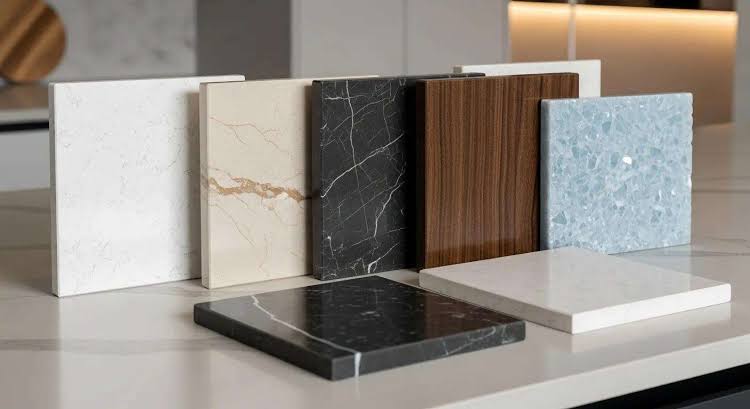
Choosing the right countertop involves more than selecting a material that looks attractive. Color, pattern, surface texture, and compatibility with other interior finishes all influence how a kitchen or bathroom comes together. HanStone quartz colors and patterns offer homeowners, designers, and contractors a range of aesthetic possibilities, from understated neutral surfaces to distinctive marble-inspired designs. With its selection of engineered quartz surfaces, Hyundai L&C provides options that accommodate different interior styles while addressing practical requirements for everyday spaces.
Understanding how these designs differ can make the selection process easier. Rather than choosing a countertop based on a sample alone, it helps to consider the room’s lighting, cabinetry, flooring, and intended use.
Understanding the Range of HanStone Quartz Colors and Patterns
HanStone quartz is an engineered surface made primarily from natural quartz, combined with resin and pigments. This manufacturing process allows for consistent color development and a variety of decorative effects that may be difficult to achieve with naturally occurring stone.
The available designs generally include several popular categories:
- Solid and subtle colors: These surfaces provide a relatively consistent appearance, making them suitable for minimalist kitchens and contemporary interiors.
- Fine-grained patterns: Small, evenly distributed details add visual interest without making the countertop the dominant feature.
- Veined designs: Inspired by natural marble, these patterns feature flowing lines that create movement and variation across the surface.
- Stone-inspired patterns: These designs reproduce aspects of natural stone, including mineral-like details and contrasting color variations.
Each category creates a different visual effect. Understanding these distinctions helps narrow the selection according to the overall design direction.
How to Choose the Right Quartz Color for Your Kitchen
Countertop color influences the visual balance of a kitchen. It can make cabinetry stand out, connect different finishes, or establish a neutral foundation for decorative elements.
Before choosing a particular shade, consider the following factors.
1. Match the Countertop With Cabinet Colors
Cabinetry typically occupies a substantial portion of the kitchen’s visible space, so its color should guide countertop selection.
White or cream cabinets pair well with light gray, beige, and marble-inspired quartz designs. These combinations create a bright appearance while introducing subtle variation.
For darker cabinetry, lighter quartz surfaces can provide contrast and prevent the room from feeling visually heavy. Alternatively, a dark countertop can create a coordinated appearance with charcoal, navy, or deep brown cabinets.
The goal is to create enough contrast to distinguish the surfaces without making the combination feel disconnected.
2. Consider the Room’s Lighting
Natural and artificial lighting can change how a countertop color appears. A white quartz surface may look warmer under yellow-toned lighting, while gray patterns can appear cooler in rooms with limited sunlight.
When evaluating samples, examine them in different lighting conditions. Place the sample near the cabinets and flooring, then observe how its color changes throughout the day.
This simple step can help prevent unexpected differences between the showroom sample and the installed countertop.
3. Think About the Kitchen’s Size
Lighter countertop colors can contribute to an open, spacious appearance, particularly when combined with light cabinetry and reflective finishes. They are often suitable for smaller kitchens where maintaining visual brightness is important.
Darker quartz colors can introduce depth and contrast. However, their overall effect depends on the room’s dimensions, lighting, and surrounding finishes.
Neither option is automatically better. The most suitable choice depends on the atmosphere the homeowner wants to create.
Exploring Different Quartz Patterns for Interior Design
Color establishes the foundation of a countertop’s appearance, but pattern determines how much visual movement the surface introduces.
Marble-Inspired Veining
Marble-inspired quartz is a popular choice for interiors that require an elegant, stone-like appearance. Its flowing veins can create a focal point without relying on additional decorative materials.
Some designs feature delicate gray lines against a white background, while others incorporate more pronounced veining and contrasting shades.
These patterns work particularly well for:
- Kitchen islands that serve as visual centerpieces.
- Waterfall countertop edges.
- Full-height backsplashes.
- Bathroom vanity surfaces.
When selecting a heavily veined design, consider how the pattern will appear across multiple countertop sections. Slab orientation, cutting, and installation planning can influence the final visual result.
Subtle and Minimalist Patterns
For homeowners who prefer understated interiors, quartz with fine speckles or gentle color variation offers a practical design direction.
These patterns complement contemporary cabinetry, simple hardware, and uncluttered spaces. They also allow other interior features, such as pendant lighting or decorative backsplashes, to receive more attention.
Subtle patterns are particularly useful when the kitchen already contains several contrasting materials or finishes.
Bold and Dramatic Patterns
More pronounced quartz patterns can establish a distinctive design statement. Strong veins, contrasting tones, and noticeable mineral-inspired details draw attention to the countertop.
However, dramatic patterns require careful coordination. Pairing them with relatively simple cabinetry and restrained decorative finishes can create a more balanced result.
Coordinating Quartz Countertops With Other Kitchen Materials
A countertop should work with the other materials in the room rather than appear as an isolated design element.
Consider how the selected quartz color and pattern will interact with these common finishes:
Cabinet hardware: Brushed brass, matte black, and stainless steel can produce different effects depending on the countertop’s undertones. Warm quartz colors often complement brass, while cooler gray surfaces can work well with chrome or stainless steel.
Flooring: Wood flooring introduces warmth and natural variation. Neutral quartz colors can connect wooden finishes with painted cabinetry without creating unnecessary visual competition.
Backsplashes: A matching quartz backsplash creates a coordinated appearance and reduces the number of competing patterns. Contrasting tiles can also work, provided their colors and textures complement the countertop.
Wall colors: Neutral walls provide flexibility when the countertop has noticeable veining. For more consistent quartz designs, homeowners may have greater freedom to introduce stronger wall colors.
Creating a coordinated material palette before installation helps avoid costly changes later.
Practical Considerations When Selecting HanStone Quartz
Appearance is important, but countertop selection should also account for performance, maintenance, and installation requirements.
Engineered quartz is valued for its hard, nonporous surface. Its relatively low porosity makes it less susceptible to liquid absorption than many untreated natural stones. However, this does not mean it is completely resistant to staining, heat damage, or surface wear.
Keep these considerations in mind:
- Maintenance requirements: Follow the manufacturer’s cleaning recommendations. Routine cleaning with an appropriate mild cleaner helps maintain the surface.
- Heat protection: Avoid placing hot cookware directly on quartz. Use trivets or heat-resistant mats to reduce the risk of thermal damage.
- Seam placement: Larger countertop installations may require seams. Discuss their location and visibility with the fabricator before work begins.
- Edge profiles: Straight, eased, and other available edge treatments can influence the countertop’s overall appearance.
- Slab selection: Review the actual slab whenever possible, particularly when choosing a design with prominent veins or noticeable pattern variation.
These details help ensure that the selected surface meets both aesthetic and functional expectations.
Why Viewing Full Slabs Matters Before Making a Decision
Small samples are useful for comparing colors, but they cannot always represent the appearance of an entire countertop. Patterns may look different when viewed across a larger area, especially when the design includes prominent veining or irregular details.
Full-slab inspection allows homeowners and designers to assess several important characteristics:
- The distribution and direction of veins.
- The balance between background and contrasting colors.
- Pattern consistency across larger sections.
- How the design will look on an island or extended countertop.
- Potential visual differences between adjacent slabs.
It is also worth discussing fabrication requirements before finalizing the selection. Experienced fabricators can explain how cutting, seam placement, and edge detailing may affect the finished installation.
This is especially important for waterfall islands and other applications where pattern continuity contributes significantly to the design.
Making a Confident Choice for Your Next Countertop Project
Selecting a countertop requires balancing appearance, practical performance, and compatibility with the surrounding interior. The variety of HanStone quartz colors and patterns gives homeowners and design professionals flexibility when planning kitchens, bathrooms, and other interior spaces.
Start by identifying the room’s existing colors, preferred design style, and functional requirements. Compare samples under actual lighting conditions, review full slabs when possible, and discuss fabrication details before committing to a particular design.
For additional information about available surfaces, design collections, and material options, consider Hyundai L&C as a resource when planning your next countertop project. Reviewing the available choices alongside your project’s requirements can help you select a quartz countertop that complements your space and remains suitable for everyday use.