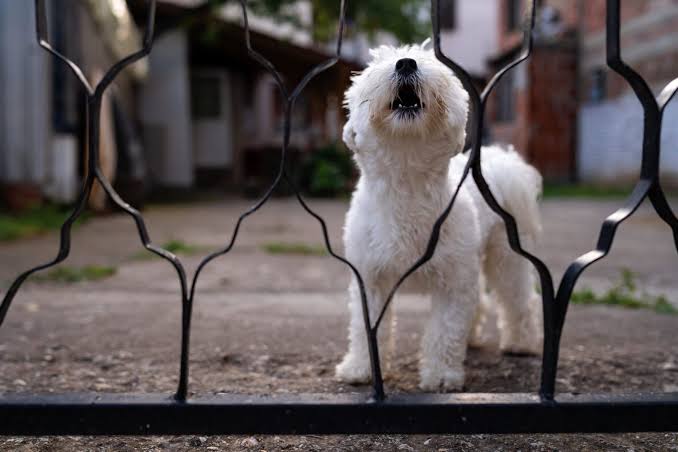
Dogs naturally develop attachments to their homes, families, and familiar surroundings. However, some dogs become overly protective of these spaces and react negatively when unfamiliar people or animals approach. Excessive barking, growling, lunging, and guarding can make everyday situations difficult for owners.
Dog training for territorial behaviors helps dogs develop calmer responses to people and animals they perceive as threats. Rob’s Dog Training recognizes the importance of understanding canine behavior and using consistent training methods to establish better communication between dogs and their owners.
Understanding Why Dogs Develop Territorial Behaviors
Territorial behavior occurs when dogs perceive certain people, animals, or situations as threats to spaces they consider their own. These spaces may include the home, yard, vehicle, or areas where their owners spend time.
Several factors can contribute to these reactions:
- Protective instincts: Some dogs become alert when unfamiliar people approach their home or family.
- Fear and uncertainty: Unfamiliar people, animals, and sounds may trigger defensive responses.
- Limited social exposure: Dogs with insufficient positive experiences around unfamiliar situations may struggle to remain calm.
- Learned behaviors: If barking causes someone to move away, a dog may repeat the behavior because it appears successful.
- Resource guarding: Some dogs become defensive when others approach valued possessions, food, or resting areas.
Understanding the underlying cause is important because territorial behavior does not always indicate aggression. Fear, anxiety, and uncertainty can produce similar reactions. Identifying the dog’s motivation helps owners choose appropriate training techniques.
Recognizing Common Signs of Territorial Behavior
Territorial reactions can develop gradually. Recognizing early warning signs allows owners to address the behavior before it becomes more difficult to manage.
Common indicators include:
- Repeated barking when someone approaches the property
- Growling or showing teeth when unfamiliar people enter the home
- Lunging toward visitors or other dogs near familiar spaces
- Becoming tense when someone approaches a gate, doorway, or vehicle
- Blocking access to certain areas or valued possessions
- Remaining highly alert after a perceived threat has disappeared
Body language also provides important clues. Stiff posture, intense staring, raised hackles, and a rigid tail may indicate heightened arousal or discomfort.
Owners should avoid automatically punishing warning signals such as growling. These behaviors communicate discomfort and provide an opportunity to address the underlying issue before the dog escalates its response.
Effective Dog Training for Territorial Behaviors
Effective dog training for territorial behaviors focuses on changing how dogs respond to situations they perceive as threatening. Rather than relying on punishment or confrontation, training should establish clear expectations and reward appropriate responses.
1. Identify the Dog’s Triggers
Start by observing when territorial reactions occur. Does the dog bark whenever someone rings the doorbell? Does it become defensive when unfamiliar dogs approach the yard? Does its behavior change when visitors enter the home?
Identify the situations that trigger reactions and observe the distance at which the dog begins showing discomfort.
Understanding these patterns helps owners determine where to begin training. It also makes it easier to avoid situations that overwhelm the dog while new behaviors are being established.
2. Teach an Alternative Behavior
Dogs need to learn what they should do instead of barking, lunging, or rushing toward perceived threats.
Useful commands include:
- Place: Teaches the dog to move to a designated bed or mat.
- Stay: Encourages the dog to remain in a specific position.
- Come: Helps redirect the dog away from a triggering situation.
- Leave it: Encourages the dog to disengage from something that has attracted its attention.
Practice these commands in quiet environments before introducing distractions. Once the dog responds consistently, gradually practice in situations involving familiar triggers.
3. Reinforce Calm Responses
Positive reinforcement encourages dogs to repeat desirable behaviors through rewards such as treats, praise, or play.
For example, when a dog notices someone approaching the property but remains calm, the owner can reward that response. This helps create a more positive association with unfamiliar people and reduces the likelihood of automatic defensive reactions.
Timing matters. Reward the dog while it is still calm rather than waiting until it becomes highly distressed. If the dog starts barking, growling, or lunging, increase the distance from the trigger and allow it to settle before continuing.
4. Introduce Gradual, Controlled Exposure
Gradual exposure helps dogs become more comfortable with unfamiliar people, animals, and environmental changes.
Begin at a distance where the dog can observe the trigger without becoming overly excited or defensive. Reward calm observation and gradually introduce more challenging situations as the dog becomes comfortable.
Avoid forcing interactions or allowing unfamiliar people to approach and touch an uncomfortable dog. The goal is to build positive associations without overwhelming the animal.
Managing Territorial Behavior Around Visitors
Visitors entering the home can be particularly challenging for dogs that guard familiar spaces. Doorbells, knocking, footsteps, and unfamiliar voices may trigger defensive reactions.
A consistent visitor routine can help prevent unnecessary stress and improve safety.
Consider these practices:
- Prepare before visitors arrive. If the dog has a history of reacting aggressively, place it in a comfortable, secure area.
- Establish a designated space. Encourage the dog to settle on its bed or mat rather than rushing toward the entrance.
- Control introductions. Avoid allowing visitors to approach, stare at, or reach toward an uncomfortable dog.
- Reward calm behavior. Reinforce appropriate responses to visitors and unfamiliar sounds.
- Maintain supervision. Monitor interactions and avoid assuming the dog is comfortable simply because it has stopped barking.
For dogs with a history of biting or serious aggression, physical separation and professional behavioral guidance are essential. Safety should always take priority over attempting direct introductions.
When to Seek Professional Dog Training Support
Some territorial behaviors may improve through consistent home training, but more serious reactions require professional support. This is particularly important when a dog repeatedly lunges at people, attempts to bite, guards multiple areas, or becomes difficult to control around unfamiliar animals.
A qualified dog trainer or veterinary behavior professional can assess the dog’s behavior, identify specific triggers, and develop an appropriate training plan.
Professional guidance can also help owners understand how to manage territorial reactions safely and reinforce alternative behaviors. Sudden changes in behavior may warrant a veterinary examination to rule out pain or other medical concerns.
Help Your Dog Develop Calmer Territorial Responses
Territorial behavior does not have to dictate how dogs interact with visitors, other animals, or their surroundings. With careful observation, appropriate management, and consistent reinforcement, owners can help dogs develop more controlled responses to unfamiliar situations.
The most effective approach to dog training for territorial behaviors focuses on understanding why a dog reacts, teaching alternative behaviors, and introducing challenges at a manageable pace. Rob’s Dog Training can help owners work toward better communication and more appropriate canine responses. Progress takes patience, particularly when territorial reactions have become established habits.
By prioritizing clear communication, positive training experiences, and appropriate boundaries, owners can create a safer home environment while helping their dogs feel more comfortable around unfamiliar people and animals.