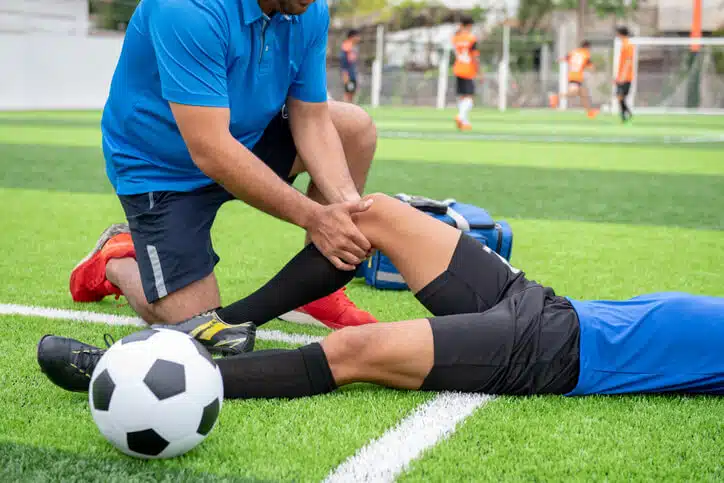
Sports injuries are a common challenge faced by athletes at all levels, from beginners to professionals. Whether you are a weekend runner, a competitive football player, or a fitness enthusiast, understanding sports injury prevention strategies is crucial for maintaining peak performance and long-term health. This guide provides actionable insights, expert recommendations, and evidence-based practices to help reduce the risk of injury while enhancing athletic performance.
Understanding Sports Injuries
Sports injuries can occur due to accidents, overuse, or improper techniques. They range from minor sprains and strains to serious conditions such as ligament tears or fractures. According to the American Orthopaedic Society for Sports Medicine (AOSSM), nearly 3.5 million children and adolescents in the United States suffer from sports-related injuries each year, highlighting the importance of prevention strategies.
Common Types of Sports Injuries
- Sprains and Strains – Stretching or tearing of ligaments or muscles. Common in soccer, basketball, and gymnastics.
- Fractures – Broken bones, often from falls or direct impact.
- Tendonitis – Inflammation of tendons, common in repetitive sports like tennis or swimming.
- Concussions – Brain injuries from contact sports such as football and rugby.
- Overuse Injuries – Stress fractures and repetitive strain injuries resulting from repeated motions.
Understanding the type of injury is the first step in effective prevention and management.
The Importance of Sports Injury Prevention
Prevention is always better than cure. Sports injuries can lead to long-term mobility issues, decreased performance, and psychological stress. Implementing preventive measures not only reduces the risk of injury but also enhances recovery and athletic performance.
Research from the National Institute of Arthritis and Musculoskeletal and Skin Diseases (NIAMS) emphasizes that proper training, protective gear, and conditioning programs can prevent up to 50% of sports-related injuries.
Key Strategies for Sports Injury Prevention
1. Proper Warm-Up and Cool-Down
Warming up prepares muscles, tendons, and joints for physical activity. Dynamic stretches, light jogging, or sport-specific drills improve blood flow and flexibility. Cooling down with static stretching and gentle exercises reduces muscle soreness and aids recovery.
Recommended practices:
- 10-15 minutes of light cardio before training
- Sport-specific dynamic stretches for major muscle groups
- Cool-down stretches for hamstrings, calves, and shoulders
2. Strength and Conditioning Programs
Strength training improves muscle balance, joint stability, and overall resilience. A well-rounded conditioning program should include:
- Core strengthening exercises (planks, bridges)
- Resistance training for major muscle groups
- Plyometrics for agility and explosive movements
Entities such as the National Strength and Conditioning Association (NSCA) provide guidelines for sport-specific strength training protocols.
3. Flexibility and Mobility Training
Maintaining flexibility reduces the risk of strains and sprains. Yoga, Pilates, and mobility drills enhance the range of motion, supporting joints and muscles during intense activity.
Examples:
- Hip openers for runners
- Shoulder mobility exercises for swimmers
- Ankle mobility drills for basketball players
4. Proper Technique and Coaching
Incorrect techniques can significantly increase the risk of injury. Athletes should receive guidance from certified coaches or trainers, especially when learning new movements or drills. For example:
- Correct landing mechanics in volleyball or basketball
- Safe lifting techniques in weight training
- Proper swimming stroke mechanics
The American College of Sports Medicine (ACSM) provides evidence-based recommendations for skill acquisition and movement optimization.
5. Gradual Progression and Load Management
Overtraining is a major cause of overuse injuries. Gradually increasing intensity, duration, and frequency allows the body to adapt. Implementing periodization programs—alternating high-intensity and recovery phases—can reduce fatigue-related injuries.
6. Protective Gear and Equipment
Using appropriate protective equipment is essential in contact and high-risk sports. Helmets, mouthguards, knee pads, and proper footwear can prevent injuries like concussions, fractures, and joint damage.
Examples:
- Football players: Helmets and shoulder pads
- Cyclists: Helmets and gloves
- Runners: Properly fitted shoes with adequate cushioning
7. Hydration and Nutrition
Dehydration and poor nutrition can increase the risk of cramps, muscle fatigue, and injuries. Athletes should consume adequate water, electrolytes, and nutrient-dense meals before and after training.
Nutrition tips:
- Pre-workout: Carbohydrate-rich snacks for energy
- Post-workout: Protein for muscle recovery
- Daily diet: Vitamins and minerals to support bone and joint health
8. Rest and Recovery
Rest is a critical component of injury prevention. Adequate sleep and scheduled rest days allow muscles, tendons, and ligaments to repair and strengthen. Ignoring rest can lead to cumulative stress injuries.
9. Regular Health Screenings
Regular medical check-ups and screenings help detect risk factors for injury, such as joint instability, previous injuries, or muscular imbalances. Sports medicine professionals, physiotherapists, and athletic trainers can provide personalized prevention plans.
Special Considerations for Youth Athletes
Youth athletes are at particular risk of growth-related injuries. Organizations like USA Youth Soccer and Safe Kids Worldwide emphasize:
- Age-appropriate training loads
- Emphasis on technique over competition
- Encouraging multi-sport participation to avoid repetitive stress
Recovery Techniques to Support Injury Prevention
Even with preventive measures, minor injuries may occur. Effective recovery strategies reduce downtime and prevent complications:
- Ice and Compression for acute injuries
- Massage and Foam Rolling for muscle tightness
- Physical Therapy for rehabilitation and strengthening
Technology in Sports Injury Prevention
Modern technology offers new tools for injury prevention:
- Wearable devices to monitor heart rate, load, and fatigue
- Motion analysis software to detect improper biomechanics
- Smart footwear that tracks running form and impact forces
Conclusion
Preventing sports injuries requires a comprehensive approach that combines physical preparation, proper technique, nutrition, and recovery strategies. By following evidence-based recommendations from entities like the AOSSM, NSCA, and ACSM, athletes can minimize risks, enhance performance, and enjoy a long, healthy sporting career.
Investing time in sports injury prevention today saves months of recovery tomorrow. Every athlete—from amateur to professional—can benefit from these strategies, making them essential for anyone serious about sports performance and safety.