A fresh exterior paint job can improve a home’s appearance while providing an additional layer of protection against environmental exposure. However, achieving a smooth, durable finish requires more than selecting an attractive paint color. House exterior pressure washing and preparation are essential steps that help create a clean, stable surface before new paint is applied. Without proper preparation, dirt, dust, loose paint, and other contaminants can interfere with paint adhesion and affect the finished appearance.
For homeowners in Arizona, exterior maintenance deserves particular attention. Intense sunlight, high temperatures, airborne dust, and seasonal monsoon conditions can gradually affect exterior surfaces. Superior Homes Painting USA helps homeowners improve and maintain their property’s exterior through professional residential painting services. Understanding the correct preparation process also helps property owners make informed decisions and achieve better results from a residential painting project.
Why House Exterior Pressure Washing and Preparation Matter
Exterior walls are constantly exposed to environmental conditions that can affect their appearance and condition. Dust accumulates on siding, dirt collects around trim, and moisture can contribute to unwanted organic growth in shaded areas. Applying fresh paint over these contaminants can prevent proper bonding and lead to premature coating problems.
Pressure washing helps remove accumulated dirt, dust, loose debris, and certain surface contaminants before painting begins. A properly cleaned surface gives painters a better foundation for the remaining preparation work.
The benefits include:
- Improved paint adhesion: Removing surface contaminants allows compatible primers and paints to bond more effectively.
- A cleaner finish: Washing reduces visible dirt and residue that could affect the appearance of the new coating.
- Better surface inspection: Cleaning makes it easier to identify peeling paint, damaged areas, cracks, and other concerns.
- More consistent preparation: Removing loose debris helps create a more uniform surface for subsequent repairs and priming.
- Long-term maintenance: Addressing surface problems before painting can help reduce avoidable coating failures.
Although pressure washing is important, it should always be performed according to the exterior material’s condition and manufacturer’s recommendations.
Understanding the Right Pressure Washing Method for Exterior Surfaces
Not every exterior material can withstand the same water pressure. Using excessive pressure can damage siding, force moisture behind exterior materials, strip away protective coatings, or cause water intrusion around windows and doors.
Selecting an appropriate cleaning method is therefore just as important as removing accumulated dirt.
1. Stucco and Masonry Surfaces
Stucco is widely used in Arizona homes because of its textured appearance and suitability for various architectural styles. However, its porous composition requires careful cleaning. Excessive water pressure can damage the finish or push moisture into vulnerable areas.
A controlled, material-appropriate washing method helps remove surface dirt without unnecessarily disturbing the stucco. Existing cracks and damaged sections should also be inspected before painting.
2. Wood Siding and Exterior Trim
Wood surfaces require additional attention because excessive moisture can contribute to swelling, deterioration, and other problems. Gentle cleaning methods are generally preferable, particularly when dealing with older wood, peeling coatings, or exposed sections.
After washing, the wood must dry thoroughly before sanding, priming, or painting begins.
3. Vinyl Siding
Vinyl siding can collect dust, pollen, and environmental residue over time. Cleaning should use suitable pressure and techniques to avoid damaging panels, seams, or surrounding components.
Homeowners should also pay attention to areas around windows, doors, and joints where improperly directed water may enter the structure.
Essential Steps Before Exterior House Painting
Pressure washing is only one part of a complete exterior preparation process. A successful project also requires surface inspection, repairs, drying, and appropriate priming.
Following a systematic approach helps ensure that each stage is completed before the next begins.
Step 1: Inspect the Entire Exterior
Before cleaning, examine the home’s exterior for visible problems. Look for peeling paint, cracked stucco, damaged siding, deteriorating wood, loose trim, and areas with signs of moisture exposure.
Identifying these issues early allows the necessary repairs to be included in the painting plan.
Step 2: Protect Surrounding Areas
Exterior painting preparation should include protecting landscaping, outdoor furniture, lighting fixtures, electrical components, and other vulnerable features.
Windows, doors, and nearby surfaces should also receive appropriate protection during washing and painting. Covering sensitive areas helps minimize accidental damage and unnecessary cleanup.
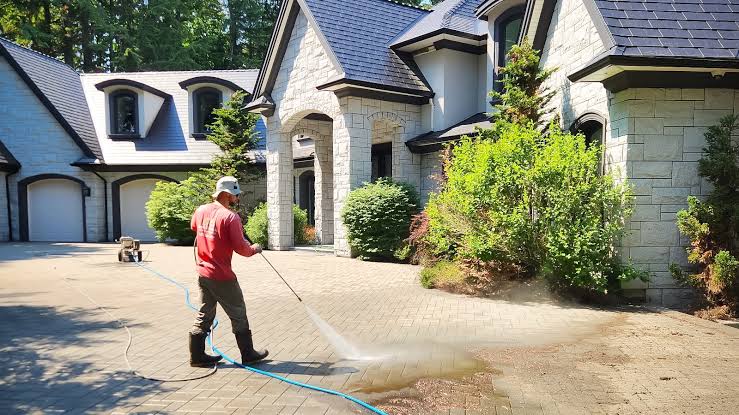
Step 3: Pressure Wash Carefully
Use a cleaning method suitable for the specific surface. Directing water at vulnerable joints, electrical fixtures, openings, and damaged sections should be avoided.
The objective is to remove dirt and loose contaminants, not to force water into the building materials or strip away sound surfaces.
Step 4: Allow Sufficient Drying Time
Drying is a critical part of exterior painting preparation. Applying primer or paint to damp surfaces can interfere with adhesion and contribute to coating problems.
Drying time depends on several factors, including:
- Exterior material and porosity.
- Weather conditions and humidity.
- Sunlight and airflow.
- The amount of water used during cleaning.
- Shaded areas that retain moisture longer.
Rather than following an arbitrary waiting period, painters should confirm that surfaces meet the paint manufacturer’s moisture and application requirements.
Step 5: Scrape, Sand, and Repair
Once the surfaces are dry, loose and peeling paint should be removed. Sanding can help smooth rough transitions between existing coatings and exposed areas.
Cracks, damaged trim, and deteriorated wood should be addressed using appropriate repair materials. Caulking may also be necessary around suitable joints and gaps to help limit unwanted moisture entry.
Step 6: Apply the Appropriate Primer
Primer helps prepare compatible surfaces for the finish coating. The correct product depends on the substrate, existing coating, and condition of the surface.
Bare wood, repaired areas, and certain masonry surfaces may require specific primers. Following manufacturer recommendations helps establish a suitable foundation for the final paint application.
How Arizona Weather Affects Exterior Painting Preparation
Arizona’s climate creates specific challenges for residential exterior maintenance. Strong ultraviolet exposure can contribute to fading and coating deterioration, while high temperatures can affect how quickly paint dries during application.
Dust accumulation is another consideration, particularly in properties exposed to open landscapes, construction activity, or unpaved surroundings.
Seasonal monsoon conditions can introduce rain, wind-driven debris, and temporary increases in moisture. These conditions make proper cleaning, drying, and scheduling particularly important.
Homeowners should consider the following preparation recommendations:
- Schedule exterior cleaning when weather conditions allow surfaces to dry properly.
- Avoid painting during unsuitable temperature conditions.
- Check exterior walls for cracks and damaged sealants before applying new coatings.
- Select paints formulated for the relevant exterior material and local climate.
- Follow product instructions for temperature, humidity, and drying requirements.
Choosing the right materials and preparation methods can help an exterior coating perform more reliably under Arizona’s demanding weather conditions.
Common Exterior Pressure Washing and Preparation Mistakes to Avoid
Even when homeowners understand the importance of cleaning before painting, certain preparation mistakes can compromise the finished project.
Using excessive water pressure: Too much pressure can damage siding, stucco, wood, and other exterior materials. Always select a suitable cleaning method.
Painting before surfaces are completely dry: Trapped moisture can interfere with paint adhesion and contribute to bubbling, peeling, or premature coating failure.
Ignoring existing damage: Painting over deteriorated wood, cracks, or loose coatings does not resolve the underlying problem. Repairs should be completed before applying new paint.
Skipping primer when required: Certain surfaces need a compatible primer to support adhesion and provide consistent coverage.
Neglecting surrounding areas: Unprotected landscaping, windows, outdoor fixtures, and walkways may be affected during cleaning and painting.
Avoiding these mistakes helps establish better conditions for professional exterior painting.
Choosing Professional Exterior Painting Services
While basic exterior cleaning may appear straightforward, preparing an entire home for painting involves more than operating a pressure washer. Different materials require different cleaning techniques, and identifying hidden damage can require experience with exterior surfaces.
A professional painting contractor can evaluate the property’s condition, recommend appropriate preparation methods, and determine which repairs or primers are necessary before painting.
When comparing painting contractors, homeowners should consider:
- Licensing, insurance, and applicable contractor certifications.
- Experience with different exterior materials.
- Surface preparation and repair procedures.
- Paint quality and suitability for Arizona weather.
- Written estimates outlining the project scope.
- Warranty terms and communication throughout the project.
Superior Homes Painting USA provides residential exterior painting services throughout the Greater Phoenix West Valley, including Litchfield Park, Avondale, Buckeye, Glendale, Goodyear, Peoria, and Surprise. The company highlights its licensed, insured, and ROC-certified status, premium USA-made paint options, and available 25-year and 50-year warranty options. These considerations can help homeowners evaluate the quality, protection, and service standards offered by a painting contractor.
Conclusion
A successful exterior painting project begins long before the first coat of paint is applied. Proper house exterior pressure washing and preparation help remove surface contaminants, reveal existing damage, and establish suitable conditions for repairs, priming, and painting.
For Arizona homeowners, accounting for intense sunlight, accumulated dust, and seasonal weather conditions is particularly important. Using appropriate cleaning techniques, allowing sufficient drying time, and selecting compatible primers and exterior paints can contribute to a more durable and attractive finish.
Working with an experienced painting contractor also helps ensure that important preparation details receive the attention they deserve. Superior Homes Painting USA offers residential exterior painting solutions designed around quality materials, professional workmanship, and long-term results. Homeowners considering an exterior refresh can request a free estimate to discuss their property’s needs and available painting options.