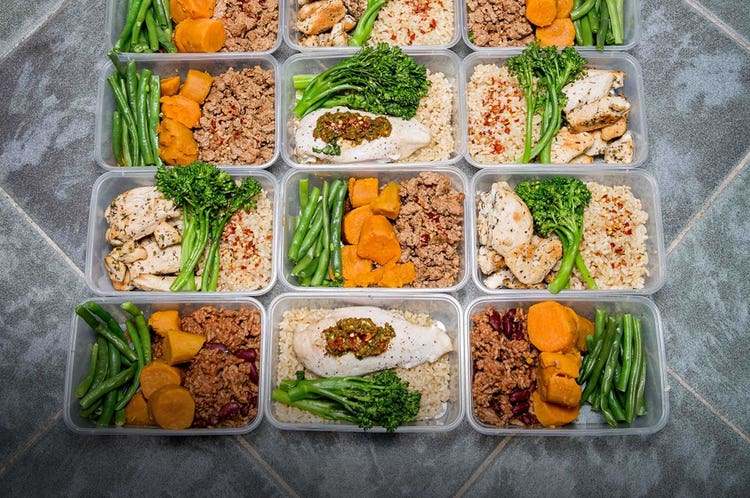
Meal prepping has become a cornerstone of healthy living, combining convenience, nutrition, and cost-effectiveness. A well-structured nutritional meal prep guide not only helps you save time but also ensures you meet your daily dietary needs efficiently. This guide explores strategies, tips, and examples to optimize your meal prep routine for health, fitness, and lifestyle goals.
Why Nutritional Meal Prep Matters
Proper nutrition is the foundation of overall health. According to the Harvard T.H. Chan School of Public Health, a balanced diet that includes vegetables, lean proteins, whole grains, and healthy fats reduces the risk of chronic diseases such as diabetes, heart disease, and obesity. Nutritional meal prep helps you:
- Control Portion Sizes – Pre-portioned meals prevent overeating.
- Maintain Consistency – A structured meal plan reduces unhealthy food choices.
- Save Time and Money – Preparing meals in advance minimizes daily cooking and food waste.
- Support Fitness Goals – Tailored meal prep can align with weight loss, muscle gain, or performance targets.
By committing to meal prep, you gain control over what you eat and improve your long-term health outcomes.
Steps to Effective Nutritional Meal Prep
1. Plan Your Meals Around Nutritional Balance
Start by creating a weekly meal plan. Focus on macronutrients: carbohydrates, proteins, and fats, and include micronutrients from fruits and vegetables. For example:
- Proteins: Chicken breast, salmon, turkey, tofu, eggs.
- Carbohydrates: Quinoa, brown rice, sweet potatoes, whole-grain pasta.
- Fats: Avocado, nuts, olive oil, seeds.
- Vegetables & Fruits: Spinach, broccoli, berries, oranges.
Use tools like MyFitnessPal or Cronometer to track nutrient intake and ensure each meal provides balanced energy.
2. Invest in Proper Meal Prep Containers
Quality containers are essential for keeping your meals fresh. Consider:
- Glass containers – Non-toxic, microwave-safe, and reusable.
- Bento boxes – Ideal for portion control and variety.
- Insulated containers – Keep hot meals warm until consumption.
Label containers with dates to maintain freshness and prevent foodborne illnesses.
3. Batch Cooking Techniques
Batch cooking is the key to saving time while ensuring nutritional variety:
- Proteins: Roast chicken breasts, grill salmon, or bake tofu in advance.
- Grains: Cook large portions of quinoa, brown rice, or oats.
- Vegetables: Steam or roast vegetables such as broccoli, carrots, and bell peppers.
Batch cooking allows you to mix and match ingredients throughout the week, reducing monotony and maximizing nutrient diversity.
4. Incorporate Meal Prep Variety
Variety is crucial for sustaining a healthy eating routine. Rotate your meals weekly with different proteins, carbs, and vegetables. For instance:
- Monday: Quinoa salad with grilled chicken and roasted vegetables.
- Tuesday: Brown rice stir-fry with tofu and mixed veggies.
- Wednesday: Salmon with sweet potato mash and steamed broccoli.
Experiment with herbs and spices like turmeric, rosemary, and basil to enhance flavor without extra calories.
5. Focus on Healthy Snacks
Meal prep isn’t just about main meals; snacks are vital for energy balance. Healthy options include:
- Greek yogurt with berries.
- Carrot sticks with hummus.
- Mixed nuts and seeds.
- Protein bars from reputable brands like Quest Nutrition or RXBAR.
Having ready-to-eat snacks prevents reliance on processed foods and sugary treats.
Nutritional Meal Prep for Specific Goals
Weight Loss
For weight loss, prioritize lean proteins, fiber-rich vegetables, and low-glycemic carbohydrates. Meals should be portion-controlled and calorie-conscious. Example:
- Breakfast: Spinach omelet with avocado.
- Lunch: Grilled chicken with quinoa and roasted vegetables.
- Dinner: Baked cod with steamed asparagus and brown rice.
Muscle Gain
Muscle-building meal prep focuses on higher protein intake, healthy fats, and sufficient carbs for energy:
- Breakfast: Oatmeal with whey protein, banana, and peanut butter.
- Lunch: Turkey breast with sweet potato and broccoli.
- Dinner: Salmon with quinoa and roasted peppers.
Include post-workout snacks like protein shakes or cottage cheese with fruit to support recovery.
Plant-Based Nutrition
Plant-based meal prep ensures adequate protein and micronutrients through legumes, tofu, tempeh, and whole grains:
- Breakfast: Chia pudding with almond milk and berries.
- Lunch: Lentil and vegetable stir-fry with brown rice.
- Dinner: Tofu curry with quinoa and spinach.
Use fortified plant-based foods for essential nutrients such as vitamin B12, iron, and omega-3 fatty acids.
Tips for Meal Prep Success
- Create a Shopping List – Plan meals and buy only what you need to reduce waste.
- Prep Once, Use Multiple Ways – Roasted vegetables can be used in salads, stir-fries, or wraps.
- Stay Hydrated – Pair meals with water or herbal teas to support metabolism.
- Track Your Progress – Use a journal or app to monitor adherence, energy levels, and goals.
- Keep it Simple – Start with 3–4 meals per week and gradually expand as you build habit.
Common Mistakes to Avoid
- Skipping planning: Leads to unbalanced meals or reliance on fast food.
- Overcomplicating recipes: Time-consuming meals reduce adherence.
- Ignoring portion control: Even healthy meals can hinder goals if portions are too large.
- Not storing properly: Poor storage reduces shelf-life and can cause spoilage.
Meal Prep Tools and Resources
- Instant Pot – Simplifies cooking proteins, grains, and soups.
- Food processors – Chop vegetables quickly for salads and stir-fries.
- Digital kitchen scale – Ensures precise portion sizes.
- Nutrition apps – Track calories and nutrient intake efficiently.
Conclusion
A well-executed nutritional meal prep guide transforms your approach to food, health, and fitness. By planning balanced meals, batch cooking, and incorporating variety, you can enjoy delicious, nutrient-rich meals while saving time and money. Whether your goal is weight loss, muscle gain, or simply eating healthier, meal prep empowers you to make intentional, health-conscious choices every day. Start small, stay consistent, and watch your meals become the foundation of a healthier lifestyle.